The Mechanics Behind Swiss Lotto Revenue Allocation in Regional Arts Programs
Geschrieben von Rosa Vogel · 22.8.2026
The Mechanics Behind Swiss Lotto Revenue Allocation in Regional Arts Programs
Revenue Generation and Initial Distribution
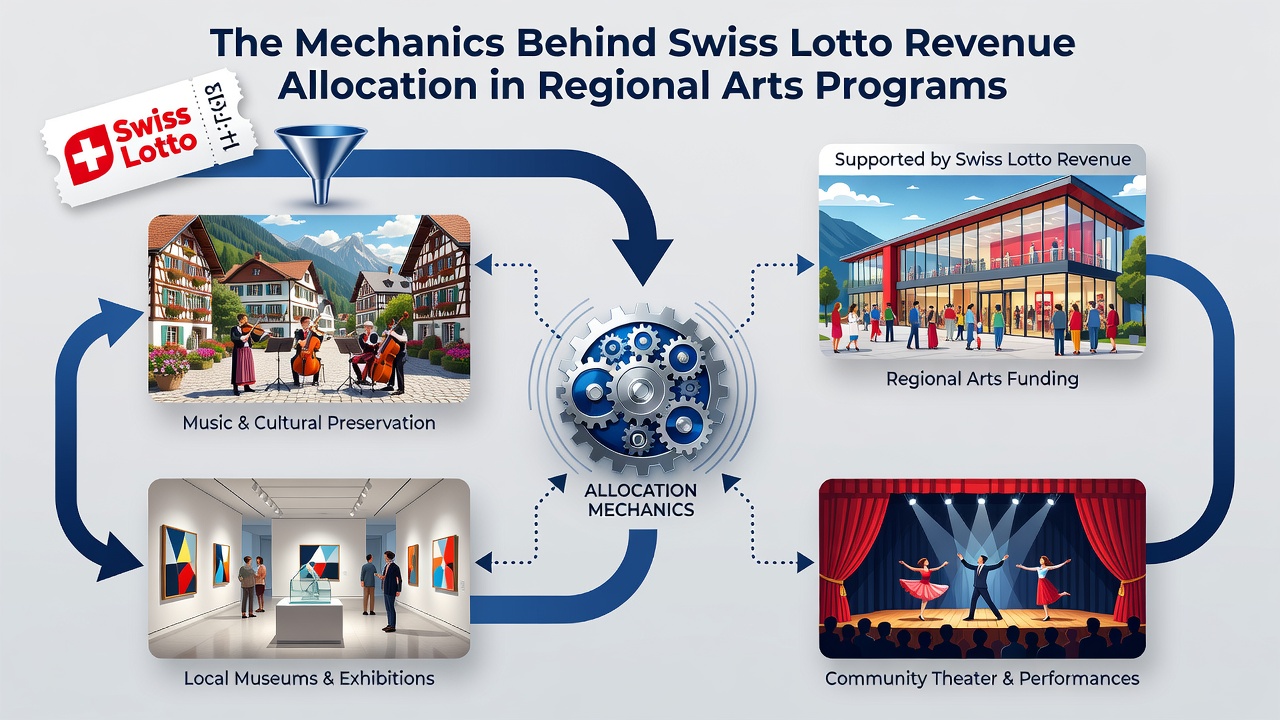
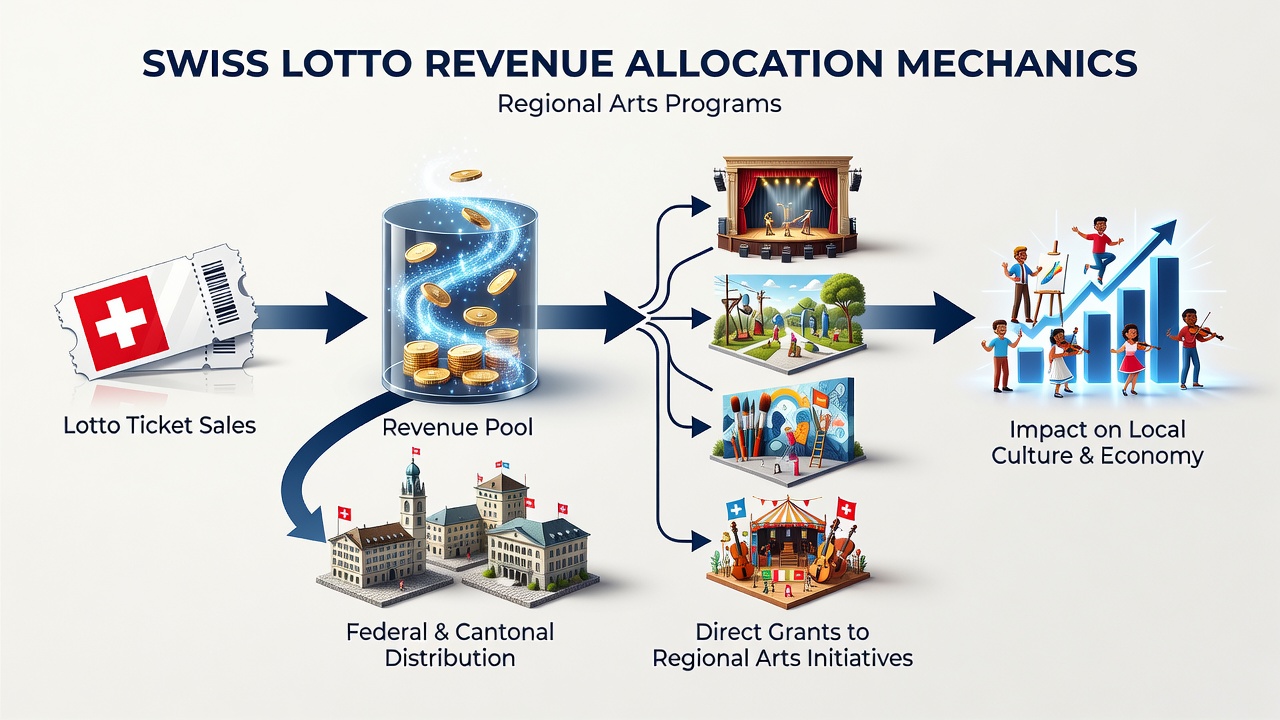
Swiss Lotto operates through a network of cantonal lotteries that pool ticket sales across the country, generating substantial funds each year through regulated draws and instant games, while the Swiss Federal Gaming Board oversees compliance with national standards for transparency and fair play. Operators allocate a fixed percentage of gross revenue to prizes, operating costs, and good causes, with the remainder directed toward public benefit programs that include cultural initiatives at both federal and regional levels.
Data from official records shows that roughly 20 to 30 percent of net proceeds typically flow into designated social and cultural channels, although exact splits vary by canton and depend on annual sales performance. Cantons manage their own lottery organizations yet coordinate through inter-cantonal agreements that standardize reporting requirements, which ensures consistent tracking of how funds reach arts organizations in different linguistic regions.
Allocation Framework for Cultural Programs
Once revenue reaches the distribution stage, cantonal authorities apply statutory formulas that earmark portions specifically for regional arts programs, ranging from theater subsidies and visual arts grants to music education projects and heritage preservation efforts. These formulas often incorporate population size, existing cultural infrastructure, and documented demand from local institutions, creating a needs-based mechanism that directs larger shares toward urban centers like Zurich and Geneva while still supporting smaller municipalities.
Administrators review applications from arts groups during annual cycles, and allocations occur after independent evaluation panels assess project viability, community impact, and alignment with cantonal cultural policy goals. In August 2026, several cantons will finalize their next round of multi-year commitments, incorporating updated sales data from the previous fiscal period to adjust funding envelopes for performing arts venues and artist residencies.
Regional Variations Across Cantons
Each canton retains flexibility within the national framework, which leads to noticeable differences in how arts funding materializes on the ground. German-speaking cantons frequently emphasize support for classical music festivals and literature programs, whereas French and Italian-speaking regions tend to prioritize contemporary visual arts and cross-border cultural exchanges with neighboring countries. Observers note that this decentralized approach allows local priorities to shape spending without overriding the overarching goal of equitable access to cultural resources.
Coordination between cantons occurs through joint working groups that share best practices on evaluation metrics and impact measurement, reducing duplication while preserving regional autonomy. Researchers at European cultural policy institutes have documented how such systems maintain accountability through public reporting portals that list recipients, amounts, and project outcomes for each funding cycle.
Transparency Measures and Oversight
Legislation requires annual audits of all lottery proceeds allocated to arts programs, with independent auditors verifying that expenditures match approved budgets and deliver stated cultural outcomes. Public dashboards maintained by cantonal cultural offices publish breakdowns that show how many projects received support, average grant sizes, and geographic spread of beneficiaries, which enables citizens to track the connection between ticket purchases and local arts activity.
External reviews conducted by academic institutions further examine long-term effects on regional creative economies, including employment figures for artists and attendance trends at funded venues. These studies draw on data from multiple jurisdictions to identify patterns that inform future allocation adjustments, while organizations such as the Swiss Federal Office of Culture compile aggregated national statistics that feed into broader policy discussions.
Integration with Broader Cultural Policy
Lotto revenue supplements rather than replaces direct government appropriations for arts programs, creating a layered funding model that combines stable public budgets with variable proceeds from lottery sales. This structure buffers regional arts organizations against fluctuations in ticket revenue while still allowing supplementary grants to expand programming during high-sales years. Policy documents from cantonal governments outline how lottery contributions specifically target underfunded areas such as rural artist workspaces and youth arts education initiatives that might otherwise rely solely on private donations.
Cross-cantonal comparisons reveal that regions with stronger integration between lottery allocations and existing cultural plans achieve higher project completion rates and broader community participation, according to analyses published by research centers studying European lottery models. One Canadian heritage department report on similar mechanisms noted parallel outcomes in provinces that ring-fence lottery income for regional cultural development.
Conclusion
The mechanics of Swiss Lotto revenue allocation to regional arts programs rest on a combination of statutory percentages, cantonal decision-making, and rigorous oversight that together channel proceeds into diverse cultural activities across the country. Regular updates to distribution formulas, public reporting requirements, and independent evaluations ensure that funds continue to support both established institutions and emerging projects while adapting to changing sales patterns and regional needs. This system demonstrates how regulated lottery operations can sustain cultural infrastructure through structured, transparent processes that remain responsive to local priorities.