Swiss Lottery Prize Distribution: How Cantonal Systems Allocate Unclaimed Funds to Public Projects
Geschrieben von Hugo Russell · 20.8.2026
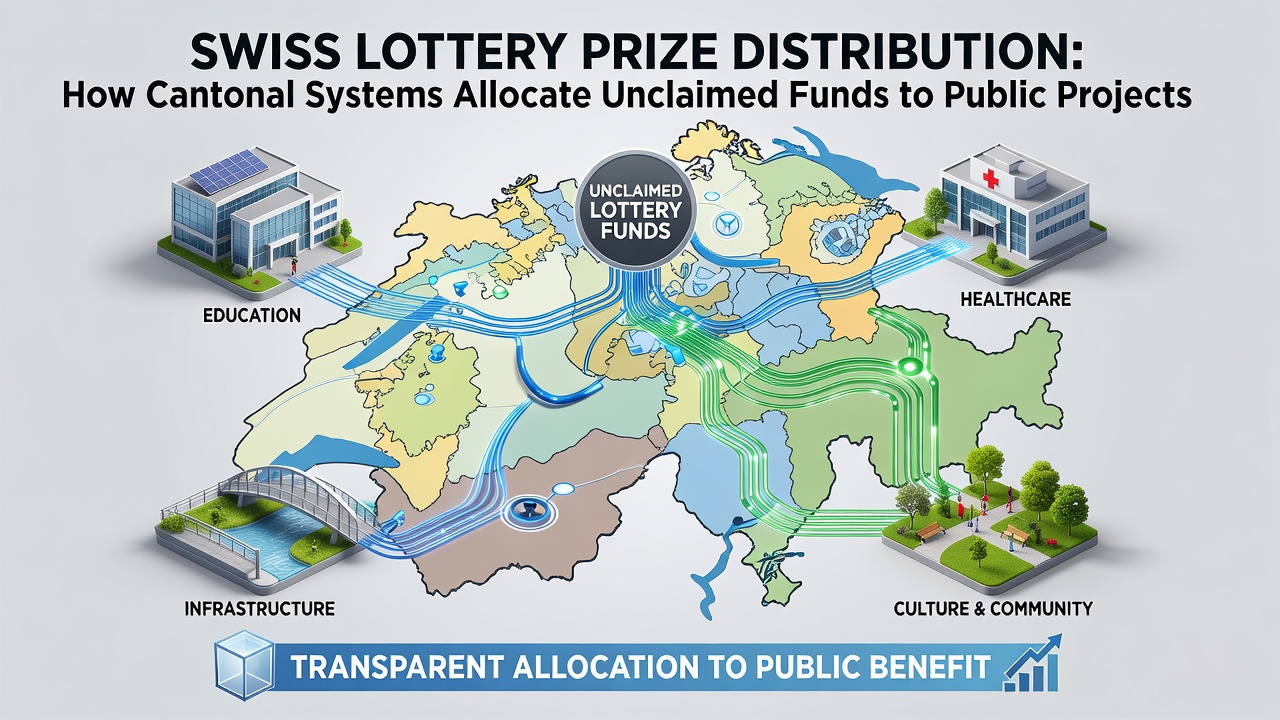
Swiss Lottery Prize Distribution: How Cantonal Systems Allocate Unclaimed Funds to Public Projects
Swiss lottery operations function through two primary organizations that coordinate with the country's 26 cantons, and these bodies manage ticket sales while directing portions of proceeds toward designated public initiatives. Swisslos covers the German-speaking and Ticino regions while Loterie Romande handles the French-speaking cantons, and each entity follows distinct yet overlapping rules for handling prize money that remains unclaimed after standard collection periods. Cantonal authorities receive varying shares of lottery revenue depending on local agreements, and these funds support projects in areas such as sports facilities, cultural programs, social welfare services, and environmental conservation efforts. Data from Swiss federal records indicate that unclaimed prizes typically enter a holding period of several months before redistribution occurs, after which the amounts flow into cantonal budgets rather than returning to the operators.Cantonal Allocation Mechanisms
Each canton establishes its own priorities for spending lottery-derived money, yet all must align with national guidelines that emphasize public benefit over private gain. In Zurich, for instance, unclaimed funds have supported youth sports programs and museum expansions according to annual reports released by the cantonal lottery commission, while Geneva directs similar resources toward theater restorations and addiction prevention campaigns. Observers note that smaller cantons like Appenzell often pool resources with neighboring regions to finance larger infrastructure projects that individual budgets could not sustain alone.
Allocation percentages vary by canton size and population density, and larger jurisdictions such as Bern and Vaud receive proportionally higher shares because they contribute more ticket sales volume. Researchers at the University of Lausanne documented these distribution patterns in a 2024 study that tracked fund flows over five years, revealing consistent patterns where roughly 60 percent of unclaimed amounts support social and cultural initiatives while the remainder goes to sports and health programs.
Handling Unclaimed Prizes Across Regions
Unclaimed prizes arise when winners fail to present tickets within the required timeframe, and Swiss regulations require operators to transfer these sums to cantonal accounts after verification processes conclude. The system differs from many international models because Swiss cantons retain direct control rather than channeling everything through a central federal agency, which allows for localized decision-making that reflects regional needs. Beginning in August 2026, several cantons plan to implement updated reporting requirements that will increase transparency around how these funds reach specific projects.
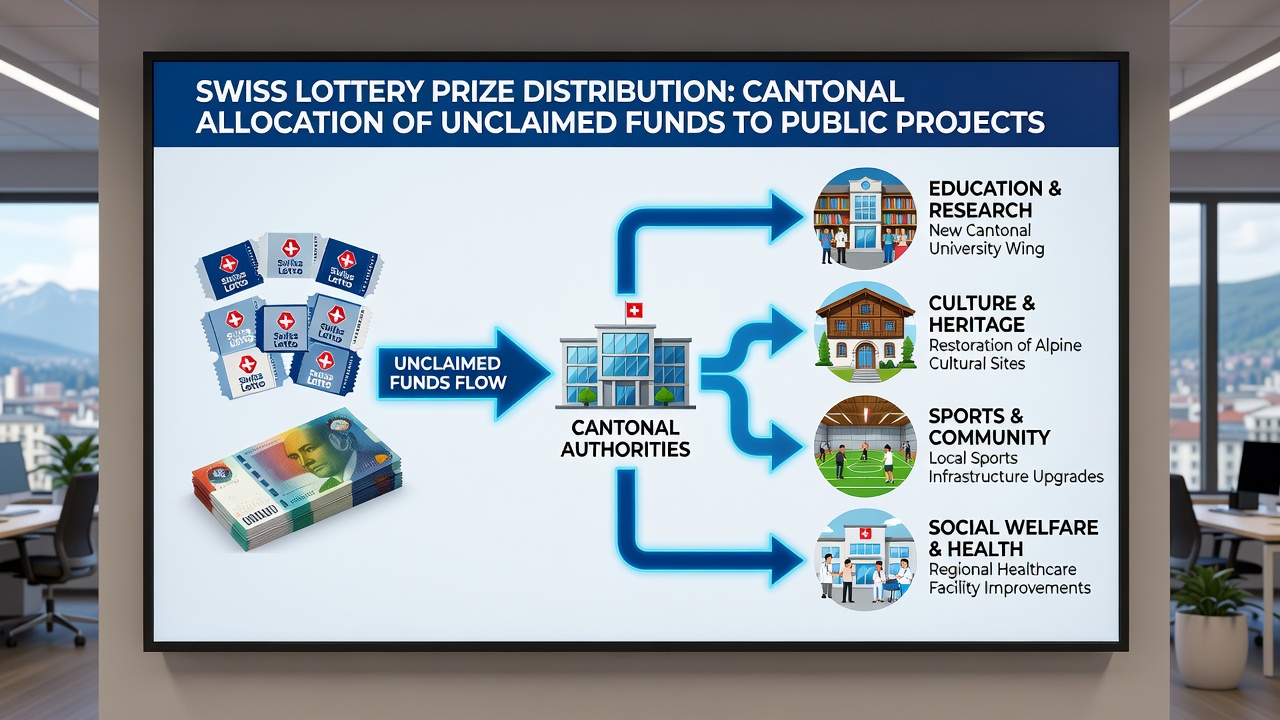
Figures from the Swiss Federal Gaming Board show that unclaimed amounts averaged several million Swiss francs annually across both lottery organizations in recent years, with peaks occurring after major jackpot draws that attract infrequent players. Cantonal finance departments then review proposals from local organizations and government agencies before approving disbursements, and this process typically occurs on a quarterly cycle to maintain steady support for ongoing initiatives.
Public Project Examples and Regional Variations
Public projects funded through these mechanisms range from community playground upgrades in rural areas to large-scale research grants at cantonal universities, and each canton publishes annual summaries detailing expenditures. In the canton of Basel-Stadt, unclaimed funds have contributed to public health campaigns targeting tobacco use while neighboring Basel-Landschaft has focused on trail maintenance in regional parks. Those who track these distributions often find that cultural projects receive stronger emphasis in urban cantons whereas rural areas prioritize agricultural education programs.
According to information published by the European Lotteries association, Swiss cantonal systems demonstrate higher rates of direct public reinvestment compared with centralized models used elsewhere, though direct comparisons remain limited by differing regulatory structures. A report from the University of Toronto's gaming policy research group examined similar allocation practices in Canadian provinces and noted parallel approaches where unclaimed funds support community grants, yet Swiss cantons maintain more localized oversight throughout the process.
Regulatory Oversight and Future Adjustments
National legislation sets the outer boundaries for how cantons may spend lottery proceeds, and the Federal Council reviews compliance through periodic audits that verify funds reach approved categories. Cantonal parliaments vote on specific budget lines that incorporate lottery income, which creates accountability at the local level while still satisfying federal standards. Changes scheduled for August 2026 will require additional documentation of project outcomes, and this shift aims to strengthen public access to information about fund usage without altering the core distribution percentages.
Conclusion
Swiss cantonal systems for managing unclaimed lottery funds operate through established channels that direct resources toward verified public projects, and these mechanisms continue to evolve with new transparency measures on the horizon. Regional differences allow each canton to address its specific priorities while remaining within national guidelines, and the overall structure ensures that unclaimed amounts support community initiatives rather than returning solely to operators. Data from multiple sources confirm consistent allocation patterns that benefit sports, culture, health, and environmental efforts across the country.