Cantonal Oversight of Mobile Lottery Sales in Switzerland and Compliance Requirements
Geschrieben von Hugo Russell · 28.8.2026
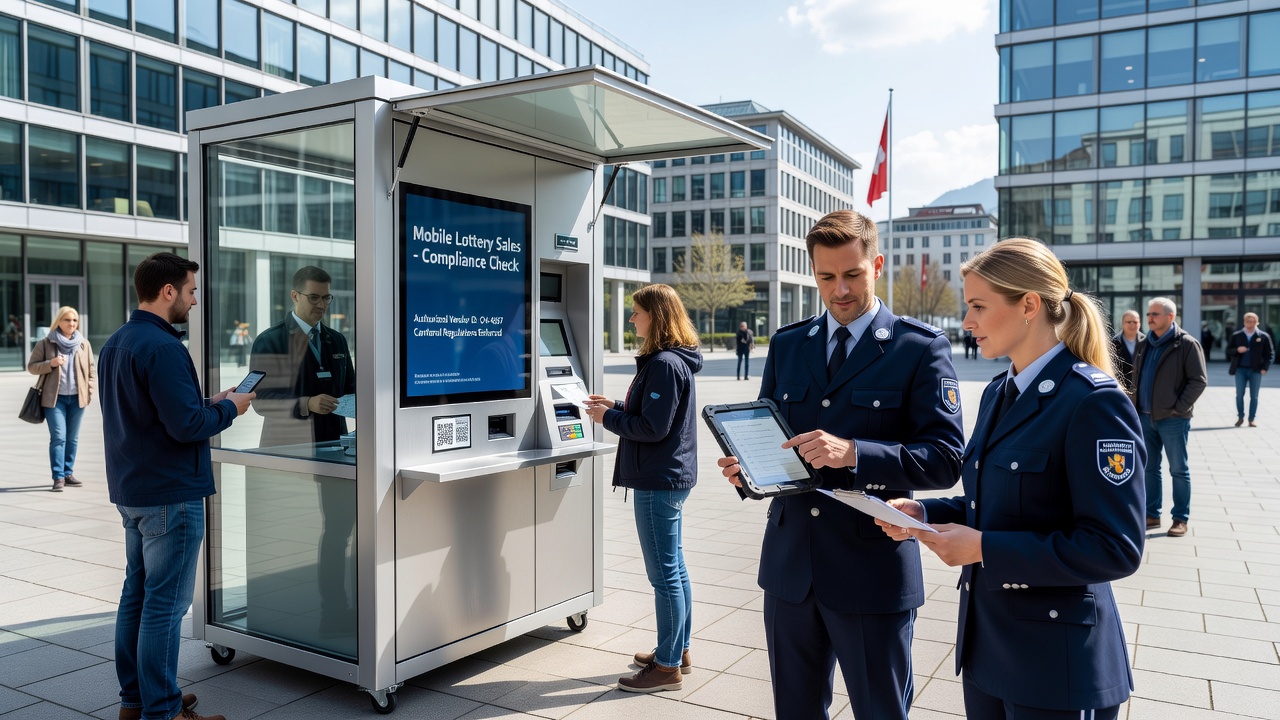
Cantonal Oversight of Mobile Lottery Sales in Switzerland and Compliance Requirements
Switzerland operates a decentralized lottery system where each of the 26 cantons maintains primary authority over mobile ticket sales within its borders, and this structure creates distinct compliance layers that operators must navigate when launching or expanding digital platforms. Cantonal authorities coordinate through intergovernmental bodies yet retain independent licensing powers, which means a single national mobile app faces 26 separate sets of operational rules even though the underlying game mechanics remain uniform across regions.
Structure of Cantonal Authority Over Digital Channels
Each canton designates a specific administrative unit, often within the justice or finance department, to monitor mobile lottery activity, and these units require operators to submit real-time sales data feeds that track ticket purchases by geographic origin. Data from these feeds allows cantons to verify that sales respect local age limits and advertising restrictions while also feeding into broader revenue allocation models that direct portions of proceeds to cantonal social programs. Observers note that the system relies on geolocation verification tools integrated directly into operator platforms, so any attempt to bypass location checks triggers automatic transaction blocks that the cantonal monitor can audit within hours.
Key Compliance Obligations for Mobile Operators
Operators seeking approval for mobile sales must demonstrate compliance with identity verification protocols that combine official identification documents with biometric checks, and cantons conduct periodic audits to confirm these systems function without allowing underage participation. Financial reporting requirements include daily reconciliation of mobile transaction volumes against bank records, while anti-money laundering procedures mandate that any single account exceeding defined thresholds undergoes enhanced due diligence before further play is permitted. Cantons also enforce strict rules on bonus promotions offered through apps, requiring prior approval of all marketing content so that incentives do not target vulnerable populations or create misleading impressions of winning probabilities.
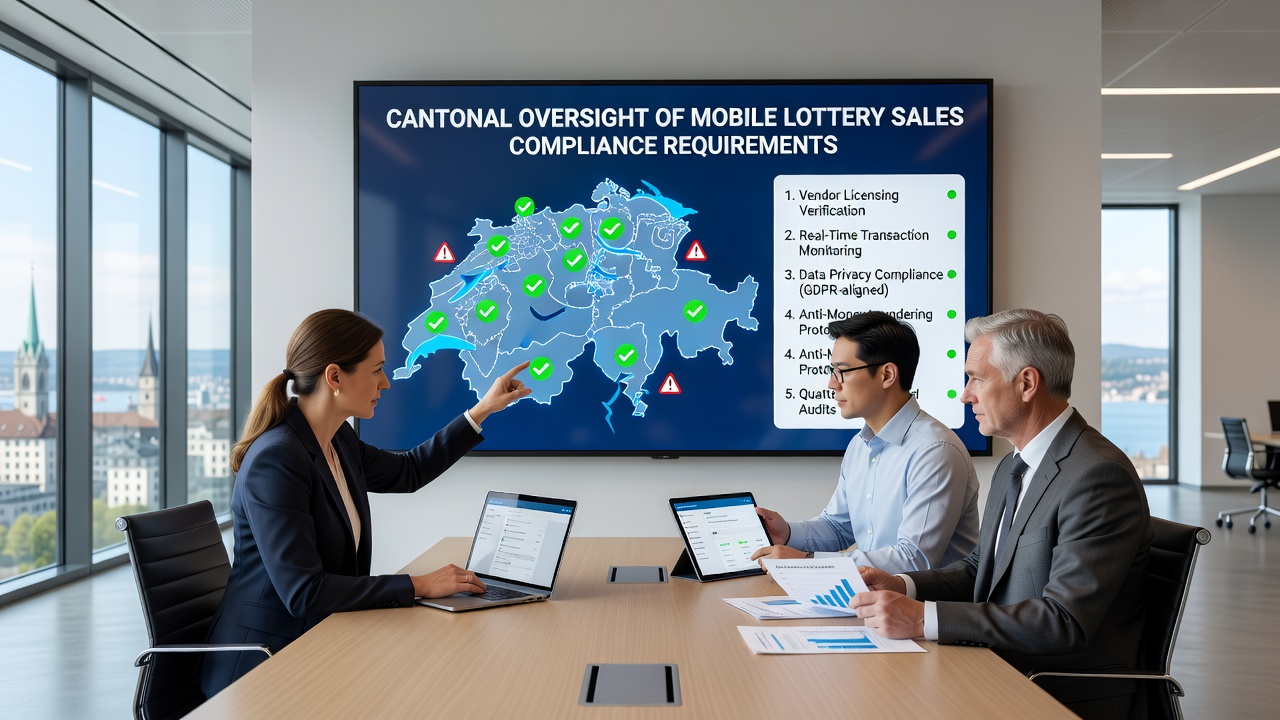
Technical standards further specify that all mobile platforms maintain data centers located inside Switzerland or in jurisdictions with equivalent data protection agreements, and cantonal inspectors retain remote access rights to server logs for at least five years after each transaction. In August 2026 several cantons plan to introduce updated encryption mandates that align with revised federal data security guidelines, requiring operators to migrate existing systems before the deadline to avoid temporary suspension of mobile sales licenses.
Coordination Mechanisms Among Cantons
Although individual cantons hold enforcement power, they participate in a joint oversight committee that shares information on cross-border mobile activity and emerging compliance risks, and this committee issues non-binding recommendations that many cantons later adopt into local ordinances. When a new mobile feature such as in-app subscription renewals is proposed, the committee reviews the feature against collective risk criteria before any single canton grants final approval, which reduces the chance that one region becomes a weak link in the national control framework. Researchers from Swiss academic institutions have documented that this layered approach produces slower rollout times for new digital products compared with centralized systems elsewhere, yet it also yields higher consistency in player protection outcomes across linguistic regions.
Enforcement Practices and Reporting Cycles
Cantonal regulators conduct both scheduled and unannounced inspections of operator facilities, focusing on the accuracy of geofencing software and the completeness of user consent records, and violations can result in fines scaled to the volume of non-compliant transactions or in revocation of mobile sales authorization. Annual compliance reports submitted to each canton must include independent audit opinions from accredited firms, and these reports become public documents that feed into federal statistics compiled by the Swiss Federal Gaming Board. According to figures released by the Swiss Federal Council, mobile lottery sales have grown steadily since the introduction of uniform technical standards in 2022, prompting several cantons to expand their inspection teams in preparation for continued digital expansion.
Future Adjustments and Cross-Border Considerations
Discussions among cantonal representatives currently center on harmonizing certain compliance thresholds, particularly around maximum deposit limits and self-exclusion mechanisms, while preserving each canton's right to set stricter local rules where social policy demands it. International comparisons published by the World Lottery Association highlight that Switzerland's cantonal model shares structural similarities with provincial oversight systems in Canada, where regional authorities also manage digital lottery channels under a federal umbrella. Those comparisons show that maintaining multiple supervisory layers requires robust data exchange protocols, which Swiss cantons continue to refine through joint technical working groups.
Conclusion
Cantonal oversight of mobile lottery sales in Switzerland therefore rests on a combination of localized licensing, shared technical standards, and coordinated enforcement that together address both revenue integrity and player protection across digital platforms. Operators must maintain parallel compliance programs tailored to each canton's specific reporting formats and audit schedules, and the approach continues to evolve as new regulatory deadlines, including those scheduled for August 2026, introduce additional technical requirements. The resulting framework delivers granular control while still supporting nationwide access to authorized lottery products through mobile channels.